Key Takeaways:
- Start with a small dose of THC and adjust gradually based on how you feel, following your doctor’s guidance and reporting changes promptly.
- Factors like symptoms, medications, and tolerance can affect how THC works for you.
- Pharmacists can help you use cannabis-based medicine safely, explain side effects, and check for medication interactions.
Getting the right THC dose can make or break your cannabis experience. Too much and you may feel overwhelmed. Too little and you won’t get the relief you’re after. Here’s how to find your ideal dose safely and effectively.
What Is THC?
Tetrahydrocannabinol (THC) is the compound in cannabis that creates that intoxicating, “high” feeling. Many find that THC also helps relieve symptoms like nausea, vomiting, and appetite loss, especially for people undergoing chemotherapy or dealing with AIDS-related anorexia.1
THC causes its effects by binding to CB1 receptors in the brain, which help control mood, appetite, and pain. It also interacts with CB2 receptors, which may reduce inflammation and muscle spasms.¹
That said, the cannabinoid is potent. While it may help some patients with symptoms, too much can cause side effects like anxiety, paranoia, or even hallucinations. Some users may also experience dry mouth, headaches, or feelings of sedation or euphoria.¹
In rare cases, long-term use can lead to cannabinoid hyperemesis syndrome (CHS), a condition that causes cycles of nausea, vomiting, and stomach pain. Hot showers often work better than standard anti-nausea meds for relief.¹ If you experience these symptoms, consult with a doctor right away.
The Best Strategy for Finding the Right THC Dosage
Most doctors suggest that patients begin with one or two vaporizer inhalations, or 2.5mg to 5mg of an oral dosage form, then adjust based on how you respond. But THC dosage can vary widely from one patient to the next. Because dosing is highly individual, your specialist will help you find the right medical cannabis dose and adjust it as needed.
If the dose feels too strong or isn’t helping, contact your doctor right away so they can review your symptoms and make changes. Never increase or reduce your dose without medical guidance.
Many people use the “start low and go slow” method. If you’re nervous, it’s okay to ask your doctor if you can start on a smaller dose than the standard. Some people feel effects at around 2mg. Others may need 50mg or more. This depends on your individual biochemistry and treatment plan, so you’ll work closely with your doctor and pharmacist to find the right dose for you.
Factors That Influence THC Dosing
Several factors can influence how THC works for you:
- Symptoms: Severe conditions like chronic pain may require a higher THC dose where seizures may require a higher CBD dose, for example. Some symptoms may respond better to CBD-dominant products. Your doctor will help determine what is appropriate after you get a prescription.
- Medications: Some drugs can interact with THC, so check with your doctor before combining treatments. For example, CBD may affect how your body processes certain antidepressants, beta-blockers, or pain medications.
- Body weight and metabolism: Heavier individuals or those with faster metabolisms may process THC differently.
- Tolerance: Regular users may need more THC than beginners to feel the same effects.
Dosing Cannabis Flower
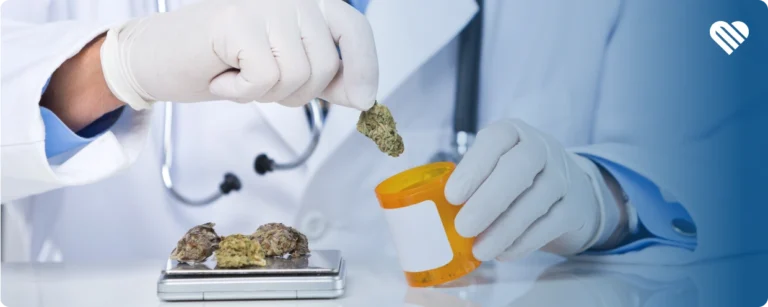
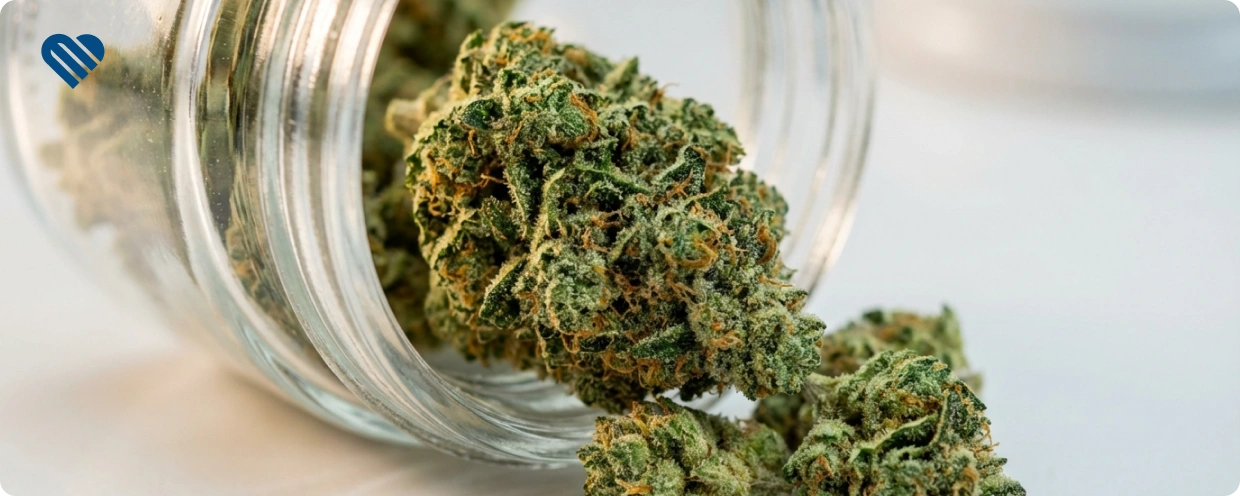
Medical cannabis flower is typically consumed through vaporisers since smoking cannabis is illegal in the UK for any use. Many physicians start patients with one or two puffs from a vaporiser, then recommend waiting 15-20 minutes to assess the effects. This method allows for better control over your intake compared to other forms of consumption.
Your prescribing doctor will give you specific dosing instructions based on your needs. Always follow their advice, let them know how you’re feeling, and don’t change your dose without talking to them first.
Dosing Cannabis Oils
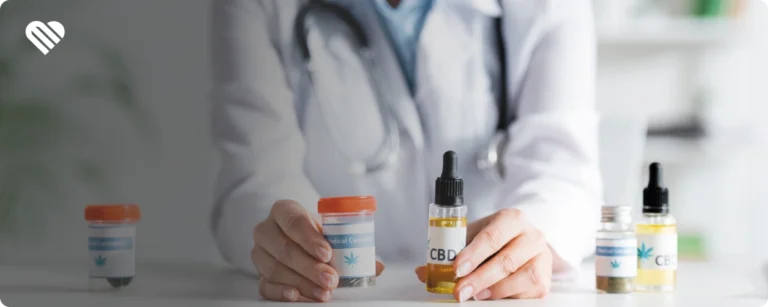
Cannabis oils are a popular choice for those who prefer not to inhale. They come in different strengths, so it’s important to start with a low dose, often just a couple of drops, and increase slowly if needed.
Your doctor or pharmacist will give you clear instructions on how much to take and how often. Oils offer more consistent dosing than flower, but they can take up to two hours to work, so be patient and give them time to take effect.
The Importance of Talking to Your Pharmacist
Your pharmacist can help you use cannabis-based medicine safely. While your doctor will be the one to prescribe your cannabis treatment, your pharmacist is there to:
- Show you how to use it: They’ll explain how to take your cannabis oil or use your vaporiser correctly.
- Check for interactions: For example, they can let you know if THC or CBD might interact with medications like blood thinners, sedatives, antidepressants, or pain relievers.
- Answer your questions: They can help you understand side effects and what to do if you experience them.
Your pharmacist can also explain the difference between THC and CBD. While THC might cause side effects like anxiety, CBD may help ease those without making you feel intoxicated.
Working with both your doctor and pharmacist will help ensure your treatment plan is safe, effective, and tailored to your needs.